
B2B, B2C, C2C and D2C E-Commerce Models: What Are They?
As the digital world takes shape, the rules of trade are being rewritten. While traditional retail is quickly giving way to digital platforms, the e-commerce ecosystem is also splitting into business models with their own dynamics. Today, if you want to start an e-commerce venture or move your existing business into the digital world, you first need to determine which model is suitable for your goals.
In the e-commerce world, there are four main models that are most frequently encountered and form the foundation of the market: B2B, B2C, C2C and D2C. In this article, we will examine in detail what these e-commerce models mean, how they work, their advantages, and the differences between them.
What Is an E-Commerce Model and Why Does It Matter?
E-commerce models are the business structures that define which target audience a business sells its products or services to, and through which channels. Choosing the right model directly affects your entire operation, from your logistics processes to your marketing strategy, from your pricing policy to your customer relationship management.
1. B2B (Business-to-Business) - Company to Company E-Commerce
B2B refers to the trade model in which companies trade with each other. In this model, both the buyer and the seller are commercial organizations. Usually, the sale of raw materials, the supply of wholesale products, or the sale of corporate software and services fall into this category.
Features of the B2B Model:
- High Transaction Volume: Because purchases are usually made in bulk (wholesale), order amounts are quite high.
- Long Decision-Making Processes: Purchasing decisions do not depend on a single person; department approvals and contract processes lengthen the process.
- Long-Term Relationships: Relationships built with B2B customers are generally long-lasting and based on loyalty.
- Examples: Alibaba, a factory producing steel coils selling to an automotive manufacturer, or a CRM software company selling licenses to other companies.
2. B2C (Business-to-Consumer) - Company to Consumer E-Commerce
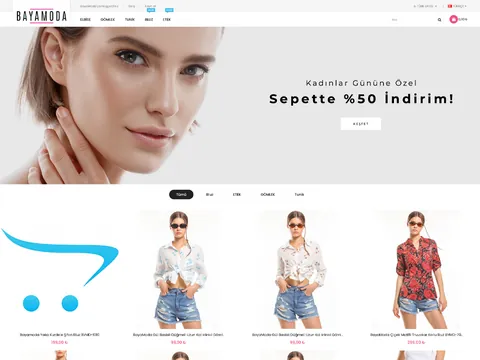
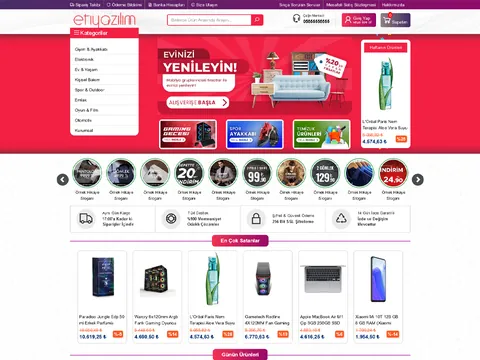
The most widespread e-commerce model, covering almost all the shopping we do online in daily life. In the B2C model, businesses sell products or services directly to end consumers.
Features of the B2C Model:
- Quick Purchase Decisions: Consumers usually decide quickly based on emotional or immediate needs.
- Broad Target Audience: Because marketing efforts are aimed directly at individuals, very broad audiences are addressed.
- Low Loyalty Rates: Because competition is very intense, consumers can easily switch brands based on price and campaign advantages.
- Examples: Trendyol, Hepsiburada, Amazon, or a clothing brand making retail sales through its own website.
3. C2C (Consumer-to-Consumer) - Consumer to Consumer E-Commerce
In the C2C model, consumers trade products or services among themselves. In this model, an intermediary platform is present, which brings buyers and sellers together in a secure environment and usually operates on a commission model.
Features of the C2C Model:
- Platform Mediation: Secure payment systems and shipping integrations are provided by the platform (e.g., the escrow account system).
- Second-Hand Market: It is usually preferred for selling second-hand goods, hobby products or individual services.
- Zero Inventory Cost: The platform owner does not keep physical stock and only manages the digital infrastructure.
- Examples: Sahibinden, Dolap, Letgo, eBay, Gardrops.
4. D2C (Direct-to-Consumer) - Manufacturer to Consumer E-Commerce
D2C, one of the fastest-rising e-commerce trends of recent years, is when a manufacturer completely removes intermediaries (wholesalers, distributors, retailers) and sells directly to the end consumer.
Features of the D2C Model:
- Control Over Customer Data: The manufacturer collects all data about customers' shopping habits first-hand.
- High Profit Margin: Because intermediaries are removed, products can be sold at a higher profit margin or offered to consumers at a more affordable price.
- Strong Brand Loyalty: The brand has the chance to communicate its story and values directly to the consumer.
- Examples: Nike selling through its own website and stores, Tesla, Warby Parker.
Comparison Table of E-Commerce Models
To see more clearly which model is more suitable for your business idea, you can review the comparison table we have prepared:
| Feature | B2B (Company to Company) | B2C (Company to Consumer) | C2C (Consumer to Consumer) | D2C (Direct to Consumer) |
|---|---|---|---|---|
| Target Audience | Companies, institutions | End consumers | Individual buyers and sellers | End consumers |
| Sales Volume | High (bulk purchases) | Low / Medium (per unit) | Low (usually single items) | Low / Medium (per unit) |
| Decision-Making Time | Long (weeks/months) | Very short (minutes/hours) | Short (there is room for negotiation) | Short (minutes/hours) |
| Profit Margin | Low (earned through volume) | Medium | Platform commission is deducted | High (no intermediary) |
| Most Notable Example | Alibaba | Amazon, Trendyol | Dolap, Sahibinden | Nike, Tesla |
Which E-Commerce Model Is Right for You?
When choosing the right e-commerce model, you should ask yourself the following questions:
- Are you a manufacturer or an intermediary? If you produce your own products, the D2C model is a great opportunity to strengthen your brand identity. If you carry out large-scale manufacturing, you should focus on the B2B model.
- How much capital do you have? If you want to start with a model that requires no stock, you can sell on C2C platforms or consider dropshipping methods.
- What is your marketing budget? Because competition is very high in the B2C model, your advertising and marketing budget needs to be strong. In the B2B model, direct sales to niche audiences and trade fair activities come more to the fore.
Conclusion
The e-commerce world is too dynamic and diverse to fit into a single mold. Running a successful e-commerce operation depends on accurately analyzing the expectations of your target audience. Whichever of the B2B, B2C, C2C or D2C models you choose, you can take your brand into the future with a strong digital infrastructure, a customer-focused service approach and the right SEO strategies.
eticaretteyim Yönetici
We create easy-to-follow guides for store owners on e-commerce, hosting and business email.
Was this post helpful?
Comments
No comments yet. Be the first to comment.
Leave a comment
Comments are published after approval. Your email address is never shown on the site.
Related posts
Improving E-Commerce Site Speed and Page Optimization
In today's digital world, competition between e-commerce sites is fiercer than ever. As consumers' patience decreases, how long a website ta...
Product Page Optimization: A Page Structure That Boosts Conversions
In e-commerce, attracting potential customers to your site matters as much as turning visitors into buyers. The product page is the most cri...
Design Tricks That Reduce Cart Abandonment in E-commerce
One of the biggest disappointments in e-commerce is when a potential customer adds products to their cart, makes it all the way to the payme...
The Importance of Mobile-Friendly (Responsive) E-Commerce Design
In today's world, where digital transformation is moving at a dizzying pace, online shopping habits are also undergoing a fundamental change...