
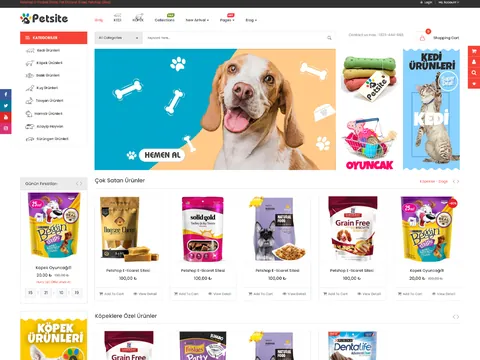
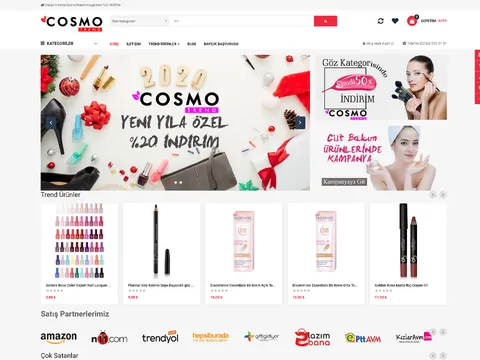
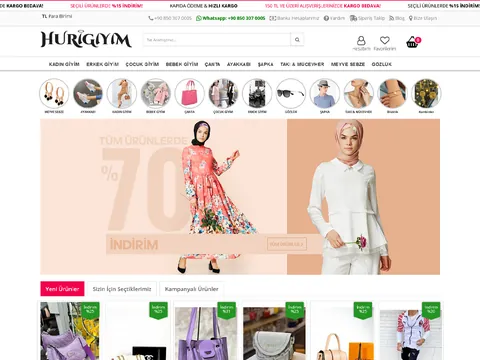

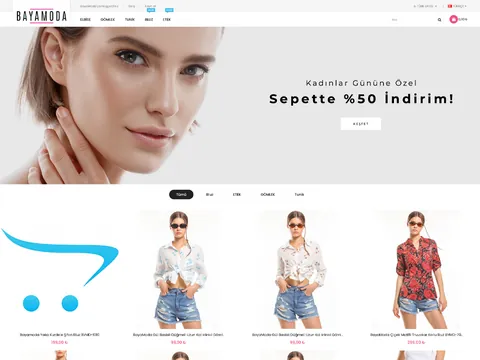




How to Start an E-Commerce Business? (Step-by-Step Guide)

Selling on the internet has become one of the areas that interests not only big companies in recent years, but also individual entrepreneurs, small businesses and people who want to build a new brand. Today many people earn income by selling their own products, or products they source, over the internet without opening a physical store and at low cost. At this point one of the most frequently asked questions arises: How do you start e-commerce?
There is no one-sentence answer to this question. Because starting e-commerce consists of many steps: from choosing the right product to understanding the target audience, from setting up the right infrastructure to integrating payment systems, from planning shipping processes to advertising and SEO work. An e-commerce process started without a plan can lead to losses of time, money and motivation. For those who proceed with the right strategy, however, e-commerce offers a very strong growth opportunity.
In this guide we will examine in detail how to start e-commerce from scratch, which stages need attention, which mistakes to avoid at the beginning, and what to do to grow sales.
What Is E-Commerce?
What is e-commerce? The most accurate answer is this: e-commerce is buying and selling products or services over the internet. Commercial transactions carried out through a website, a mobile application, a marketplace or a social media channel fall within the scope of e-commerce. The basic logic is that the customer can examine the product, place an order and complete payment online without going to a physical store.
E-commerce is not only about selling physical products. Digital services, online courses, membership systems, software licenses and consultancy can also be part of the e-commerce model.
The most important reasons why e-commerce is so popular today include its low start-up cost, the ability to reach wide audiences, the ability to sell 24/7, and the fact that marketing through digital channels has become far more measurable.
Why Should You Start E-Commerce?
Most people who want to start e-commerce first ask themselves: “Is it really worth it?” The answer is often yes, but the reason is not only that selling on the internet is popular.
One of the strongest advantages of e-commerce is that it offers a much more flexible structure than a physical store. You can sell without costs such as rent, high staff expenses and store operations. Your customer base is also not limited to the city where you are located. With the right product and the right marketing strategy you can sell across Turkey, or even in international markets.
In addition, e-commerce suits data-driven growth. Which product sells more, which ad brings better conversions, and at which page customers leave the site: all of this critical information can be measured. This turns e-commerce from trial and error into an optimizable business model.
What You Should Know Before Starting E-Commerce
Although e-commerce looks easy from the outside, in reality it is a systems business. Simply building a site and uploading products is often not enough. Before starting, one must accept this fact: success in e-commerce depends on process management as much as on product quality.
For a successful e-commerce venture, the following elements must work together:
- The right product or the right category
- Appropriate pricing
- A trust-inspiring site structure
- A smooth payment and shipping process
- Effective advertising and SEO work
- Strong customer support
When one of these areas is weak, sales can drop. For example, the product may be very good, but if the site is slow, the customer may leave without completing the purchase. The advertising may be excellent, but if the shipping process is problematic, the return rate may rise.
That is why e-commerce is not a “set up a site, upload products and wait” job; it is a process of planning, testing and continuous improvement. For a more detailed account, you can review our article on how to start e-commerce.
1. Define Your Goal
The first step in starting e-commerce is clarifying what you want to do and why. Everyone’s expectations from e-commerce are different. Some want extra income, some want to build their own brand, and some aim to move an existing physical store online.
At the beginning you need to give clear answers to questions such as:
- Are you aiming for extra income, or are you building a main business?
- Do you want to create your own brand?
- Will you work with stock, or without stock?
- Is short-term sales or long-term brand value more important to you?
- Do you want to grow on a marketplace, or on your own site?
The answers to these questions affect all the decisions that follow. For example, if you want to build a brand in the long term, your own domain and your own e-commerce site become much more important. If you only want fast sales, marketplace integration may take priority.
2. Choose the Right Product or Niche
One of the most critical issues when starting e-commerce is product selection. Starting with the wrong product may fail to deliver the desired result, even with the best advertising budget. That is why the question “What will I sell?” must be thought through seriously.
The basic points to consider when choosing a product are:
Is There Demand?
Products that people search for, need or are interested in should be preferred. Selling a product with no demand at all becomes much harder.
What Is the Level of Competition?
Not every popular product is a good opportunity. In some categories competition is so intense that it may be hard for a newcomer to stand out. Therefore, niche areas where there is demand and competition can be managed can be evaluated.
Is the Profit Margin Sufficient?
In e-commerce, looking only at the sale price is a mistake. Supply cost, shipping, packaging, commissions, advertising expenses and return risk must be considered together. If there are sales but no profit, the business model will not be sustainable.
Are Shipping and Operations Easy?
Fragile, very heavy, bulky or high-return-risk products can make operations harder at the start. For beginners, products that are easier to manage can be more advantageous.
Is There Repurchase Potential?
If a customer is likely to shop again at the same store, long-term growth becomes easier. In particular, consumables, care products or complementary product groups can provide an advantage in this respect.
For more detailed information, you can read our article on product and competitor analysis.
3. Get to Know Your Target Audience
Many entrepreneurs focus on the product but do not analyze the customer sufficiently. Yet in e-commerce, success depends not only on what you sell but also on who you sell to. If the target audience is unclear, the advertising language, visuals, product descriptions and pricing also end up hanging in the air.
To understand your target audience, focus on the following headings:
- Age range
- Gender distribution
- Income level
- Interests
- The social media platforms they use most
- Purchase motivation
- Their biggest concerns
For example, the language used for a product aimed at a young audience will not be the same as the language used for a product aimed at families. In one case fast, energetic and trend-focused communication works; in the other, trust, quality and ease of use come to the fore.
4. Choose Your Business Model
When starting e-commerce, you need to decide which model you will proceed with. The most common models are:
Stock-Based Sales
You procure products in advance, store them, and ship them as orders come in. In this model profit margins can be controlled better and the shipping process can be managed more quickly. However, there is starting capital and stock risk.
Dropshipping
You do not stock the product yourself. When a customer places an order, the supplier ships the product directly. The start-up cost can be low, but supplier control, shipping times and quality management become harder.
Manufacturer Brand Model
You produce your own product, or have it manufactured on a contract basis, and sell it under your own brand. In the long run this is one of the strongest models, because brand value and profitability can be higher. However, it requires product development and brand management.
Marketplace-Focused Sales
Instead of your own site, you start selling on platforms such as Trendyol, Hepsiburada, Amazon or similar ones. This provides traffic advantages, but it comes with disadvantages such as commissions, intense competition and weak brand independence.
Newcomers do not have to choose just one model. Many entrepreneurs create a hybrid model by building their own site and also taking part in marketplaces.
5. Brand and Domain Name Selection
If you are thinking long term, choosing the brand name is very important. A brand name that is easy to pronounce, memorable, short if possible and consistent with the category gives you an advantage. When choosing a brand name, you also need to check whether the matching social media usernames and the domain name are available.
The domain name is the address of your digital store. It is important to choose a trustworthy, easy-to-type domain that causes no confusion. For example, a memorable domain such as eticaretteyim.com can form a strong foundation on the content and brand side.
6. Company Formation and Legal Processes
If you will do e-commerce regularly, the legal infrastructure must be established. Although selling without a company may seem possible in the short term in some cases, in the long run it can cause problems with payment infrastructure, invoicing, official processes and trust.
The structure most often preferred by newcomers is the sole proprietorship (şahıs şirketi). Its formation process is faster and its cost is lower. As business volume grows, different company types can be considered.
Points to consider in legal processes include:
- Tax registration
- Invoicing procedures
- The distance sales agreement (mesafeli satış sözleşmesi)
- The preliminary information form
- Returns and cancellation policies
- A privacy policy
- KVKK compliance (Turkey’s Personal Data Protection Law)
- A cookie policy
If pages like these are missing from an e-commerce site, it can lead to loss of trust as well as legal problems.
7. Choose Your E-Commerce Infrastructure
To start e-commerce you need a sales infrastructure. At this stage one of the most important questions is whether to use a ready-made e-commerce package or to prefer an open-source system.
Ready-Made E-Commerce Packages
The technical knowledge required is lower. Design, payment infrastructure, security and some technical details are provided by the system, so you can start faster.
Open-Source Systems such as WooCommerce / OpenCart
They offer more room for customization. WooCommerce is particularly popular in WordPress-based projects. However, setup, security, performance and maintenance may require more technical attention.
Which Infrastructure Is Better?
The answer depends on your budget, your level of technical knowledge and your goal. Those who want to start quickly and practically may prefer ready-made packages. Those who want a freer, more developable and content-focused structure may turn to open-source systems.
What matters here is not the “best system” in general, but the system that suits you.
8. Build a Professional and Trustworthy Site
The appearance of an e-commerce site directly affects the feeling of trust. Even if the customer likes the product, if the site looks amateurish they may give up on ordering. That is why design is not only about aesthetics; it is also a conversion factor.
The basic elements a good e-commerce site should have are:
- A mobile-friendly design
- Fast-loading pages
- An easy menu structure
- Product pages that build trust
- Clear contact information
- An About Us page
- Frequently asked questions
- Easy payment steps
- An SSL certificate
- Return and delivery information
- A contact page
The home page should not be complicated. The user should be able to understand within a few seconds what you sell, why they should buy from you and how to place an order.
9. Prepare Sales-Focused Product Pages
Many people see the product page only as an information area. But the product page is the most critical sales area in e-commerce. It is no exaggeration to say that the visitor largely makes the purchase decision here.
A strong product page should include:
A Clear Product Title with Keywords
The product name should clearly describe what you sell, both for the user and for the search engine.
High-Quality Product Images
Photos taken from different angles, preferably on a white background and showing details, build trust. Usage images can also increase conversions.
A Persuasive Product Description
Writing only technical specifications is not enough. You should also explain which problem the product solves, who it suits and why it should be preferred.
Price, Campaign and Trust Elements
Details such as discounts, free shipping, fast delivery, installment options or easy returns can influence the purchase decision.
User Reviews
Social proof is very powerful in e-commerce. Genuine comments and reviews increase trust.
10. Integrate Payment Systems
Once the e-commerce site is set up, the customer needs to be able to pay easily. The smoother the payment process, the lower the cart abandonment rate. Complicated, slow or untrustworthy payment pages can cause serious losses.
Points to consider when choosing a payment infrastructure:
- Being a reliable company
- Commission rates
- Installment support
- Virtual POS compatibility
- Ease of technical integration
- A fast payment flow
- Fraud prevention systems
In some sectors, cash on delivery, bank transfer (havale/EFT) and credit card options can be offered together. However, the goal is to let the customer complete the order without burdening them with unnecessary steps.
11. Plan the Shipping and Logistics Process
Although the visible side of e-commerce is the site and the ads, one of the areas that most affects customer satisfaction is the shipping process. Late delivery, poor packaging or an incomplete dispatch directly damages the customer’s trust in the brand.
That is why the following topics should be clarified before you start:
- Which shipping company will you work with?
- Who will bear the shipping fee?
- In how many days will orders be prepared?
- How will the return process work?
- How good will the packaging quality be?
Especially at the start, while only a few orders are coming in, these processes should be set up systematically. In e-commerce even small operational mistakes can seriously damage reviews and brand perception.
12. Set Up Your Pricing Strategy Correctly
One of the biggest mistakes beginners make is thinking that being cheaper than competitors will sell more. But a low price does not always provide an advantage. Sometimes customers associate very cheap products with low quality.
For correct pricing, the following items must be taken into account:
- Product cost
- Shipping cost
- Packaging cost
- Commissions
- Advertising cost
- Return risk
- Target profit margin
Price is not only mathematics; it is also perception. A product positioned with premium brand language must be priced accordingly. A store playing in the affordable category, on the other hand, can stand out with campaigns and bundle offers.
13. Marketplace or Your Own Site?
This is one of the questions most frequently asked by those starting e-commerce. The healthiest answer is that, depending on the situation, both can be used.
Marketplaces provide ready-made traffic. This can make the first sales easier to get. However, commission rates are high, competition is intense, and it is harder to tie customers to your own brand.
Your own e-commerce site is stronger when it comes to building a brand, collecting customer data, winning traffic through SEO and growing more independently. However, you need advertising and content work to attract traffic.
The best approach is usually to proceed in a balanced way. Investing in your own site while also selling on marketplaces builds a more solid structure in the long run. For the most reliable and best-known marketplace list in Turkey, you can access https://www.eticaretteyim.com/online-eticaret-pazar-yerleri-eticaret-1/ here.
14. Don’t Expect Sales Without Digital Marketing
Once the e-commerce site opens, the most critical stage is attracting traffic. The site may be very beautiful, but without visitors there will be no sales. That is why digital marketing is the heart of e-commerce.
The channels most used at the beginning are:
Google Ads
It is a powerful channel for targeting users with high purchase intent. It is especially valuable for reaching people who are searching for a product.
Social Media Ads
Platforms such as Instagram, Facebook and similar ones are effective for product promotion, brand awareness and retargeting.
Influencer Collaborations
Collaborations with accounts that address the right audience can create a quick impact, especially in some product categories.
Email Marketing
It is a powerful method for reminding people who abandoned their cart, announcing campaigns and generating repeat sales.
Organic Traffic and SEO
It is one of the most valuable traffic sources in the long run. With the right content and technical optimization, dependence on advertising spend can be reduced.
15. Why SEO Is So Important in E-Commerce
SEO, that is search engine optimization, is one of the cornerstones of long-term growth for e-commerce sites. When people search for a product on Google and your site appears, your advertising costs fall, trust increases and organic sales opportunities multiply.
E-commerce SEO work covers the following areas:
- Category page optimization
- Product page optimization
- Blog content
- Technical SEO
- Site speed
- Mobile compatibility
- Internal linking
- Meta titles and descriptions
For example, by producing content for searches such as “how to start e-commerce”, “most profitable e-commerce products” or “online store setup guide”, you can both attract visitors and make your brand an authority.
16. Earn Organic Traffic with Blog Content
E-commerce should not consist only of product pages. Content marketing is one of the strongest ways to grow a brand. Guide content prepared on the blog both brings traffic from Google and contributes to the customer’s purchase journey.
For example, the following topics are very valuable for content:
- How to start e-commerce
- Ways to sell on the internet
- The most profitable product categories
- A dropshipping guide
- How to write product descriptions
- E-commerce SEO tips
- How to reduce shipping costs
- Ways to increase sales on Instagram
Such content not only attracts visitors but also strengthens the brand’s perceived expertise.
17. Strengthen Your Social Media Accounts
Today many users look at a brand’s social media accounts before shopping. An active, regular and trust-inspiring social media profile shows that the brand is real and relevant.
Things to pay attention to on social media:
- Regular posting
- A clear brand voice
- Product usage videos
- Customer reviews
- Answers to frequently asked questions
- Campaigns and announcements
- Use of stories and short videos
Especially for products with strong visual appeal Instagram works well, and for short-video-oriented products Reels and similar formats can make a significant contribution.
18. Build Customer Trust
In e-commerce, trust is often as important as price. If a customer is buying from you for the first time, they look for answers to questions such as: “Is this site trustworthy?”, “Will my order arrive?”, “If I have a problem, can I reach you?”
To increase this trust, the following are important:
- Clear contact information
- A WhatsApp support line
- A transparent delivery and return policy
- An About Us page
- Genuine customer reviews
- A secure payment infrastructure
- A regular social media presence
- Professional design
Some brands can sell more even when they are more expensive, simply because they manage these trust elements well.
19. The Biggest Mistakes Made at the Start
There are some mistakes that people new to e-commerce often make. Knowing them from the very beginning is a big advantage.
The most common mistakes are:
- Choosing a product just because it is a trend
- Not researching the target audience
- Starting with a very wide product range
- Copying product descriptions
- Relying only on advertising
- Completely neglecting SEO
- Starting without thinking through shipping and return processes
- Calculating the profit margin incorrectly
- Not caring about customer service
- Not testing the mobile experience
At the start, the goal should not be to be flawless, but to progress in a controlled way. Starting small and growing according to data gives much healthier results.
20. How Much Capital Is Needed to Start E-Commerce?
There is no single answer to this question, because the capital needed depends on the chosen model. Stock-based sales require a higher budget, whereas dropshipping or marketplace-focused starts can begin with lower budgets.
In general, budget items include:
- Company formation costs
- Domain name and hosting
- E-commerce infrastructure
- Theme or design expenses
- Product sourcing
- Packaging materials
- Payment system commissions
- An advertising budget
- Shipping expenses
- Photography and content production
Some entrepreneurs start with a very small budget, while others invest heavily for a more corporate launch. The important thing here is not only “how much money is needed to start”, but building a strategy suited to the budget you have.
21. Start Small, Measure, Improve
In e-commerce, the smartest starting model is usually controlled growth. Uploading hundreds of products on day one, opening a large advertising budget or making a big stock purchase can be risky. Instead, it is healthier to start with a specific category, a limited number of products and a clear target audience.
The basic data that should be measured at the start are:
- Website visitor count
- Add-to-cart rate
- Purchase rate
- Most-viewed products
- Advertising cost per conversion
- The pages where most visitors exit
- Return rate
- Repeat purchase rate
When improvements are made based on this data, the e-commerce business grows in a systematic rather than a random way.
22. Focus on Building a Brand in the Long Term
Many people see e-commerce only as a quick sales channel. However, lasting success often comes from building a brand. A brand is not just a logo, a colour or a name. A brand is how the customer remembers you.
To build a long-term brand, focus on:
- A consistent visual language
- A strong customer experience
- Quality product presentation
- A reliable delivery process
- Useful content production
- After-sales support
- Attention to customer satisfaction
Growing through price wars is difficult. Growing through brand value, on the other hand, can be more sustainable.
Conclusion: What Is the Right Way to Start E-Commerce?
For someone who wants to start e-commerce, the right way is to act in a planned manner without rushing. First the right product or niche should be determined, the target audience analysed, a suitable business model chosen and a solid technical infrastructure set up. After that, payment systems, shipping, product pages, the advertising strategy and SEO work should be considered together.
Success usually comes not from making big sales on day one, but from setting up the system correctly. The winners in e-commerce are entrepreneurs who make conscious product choices, track data, care about their customers and try to build a brand in the long run.
In short, what is needed to start e-commerce is not just a website; it is the right strategy, patience, disciplined testing and continuous improvement.
If you too want to create your own sales channel in the digital world, grow your brand and earn income online, the right steps you take today can make a big difference in the future. So go ahead: choose one of the ready-made e-commerce packages, set up an e-commerce site and start e-commerce.
Frequently Asked Questions
Can you start e-commerce from scratch?
Yes, you can. However, it requires choosing the right product, a suitable infrastructure and an effective marketing strategy.
Do you need a company to do e-commerce?
To sell regularly and legally, forming a company is generally necessary. It is important for payment systems and invoicing processes.
Is your own site or a marketplace more sensible?
In the short term a marketplace may be advantageous; in the long term your own site is stronger in terms of brand value and independent growth.
What is the most important thing in e-commerce?
The right product, the right target audience, a trust-inspiring site structure and sustainable marketing work are all important together.
Can e-commerce be done without SEO?
It can, but in the long run, without SEO, dependence on advertising increases. SEO is very valuable for organic traffic.
eticaretteyim Yönetici
We create easy-to-follow guides for store owners on e-commerce, hosting and business email.
Was this post helpful?
Comments
No comments yet. Be the first to comment.
Leave a comment
Comments are published after approval. Your email address is never shown on the site.
Related posts

E-commerce Sales Boosting Tips
Selling online has become very important today. Many people, business owners and entrepreneurs want to bring their products to customers onl...

Best E-commerce Packages and Prices
E-commerce is a rapidly growing sector that allows businesses to sell their products and services online. For e-commerce, which keeps develo...

What Is Live Chat and Why Does It Matter?
On-site live chat: what it is and why it matters. Live chat programs and live support…

Product and Competitor Analysis in E-Commerce 2022
In e-commerce, product and competitor analysis is a key topic that keeps you in tune with competition. By analysing your products and compet...