




What Is E-Commerce?

There is one concept that we encounter almost every day in today's digital world and that has fundamentally changed our shopping habits: e-commerce. So what is e-commerce, how is it done, and how can you succeed in this dynamic ecosystem? In this article, we cover the world of e-commerce, which has pushed traditional trade aside, in full detail.
What Is E-Commerce?
In its simplest definition, e-commerce (electronic commerce) is the process of displaying, selling, buying and carrying out payment transactions for products or services through the internet, using digital channels. Beginning with the spread of the internet in the 1990s, this journey has become one of the most important lifelines of the global economy today. Removing the physical boundaries of traditional trade, e-commerce allows brands to reach millions of consumers around the world within seconds.
What Are the E-Commerce Models?
E-commerce is divided into different business models depending on how businesses operate and on their target audience. To determine the right strategy, it is necessary to analyze these models well:
- B2C (Business to Consumer): The most common e-commerce model. It is the model in which brands or e-commerce sites sell products/services directly to the final consumer.
- B2B (Business to Business): Trade that companies carry out with each other. Wholesale product sales, raw material procurement and dealership systems are examples of this model.
- C2C (Consumer to Consumer): Covers purchases that consumers make among themselves through an intermediary platform. Second-hand product sales sites are the best examples of this model.
- D2C (Direct to Consumer): The rising e-commerce model of recent years, in which manufacturers remove distributors or retailers in between and reach the final consumer directly.
What Are the Advantages of E-Commerce?
Turning to e-commerce instead of opening a traditional store offers businesses and entrepreneurs countless advantages. Here are the most prominent benefits of e-commerce:
- Store Open 24/7: Unlike physical stores, your e-commerce site keeps taking orders without interruption, every hour of every day, all year round.
- Low Start-up and Operating Costs: You save on traditional store expenses such as rent, high electricity bills and a large staff.
- Unlimited Geographic Reach: You can sell not only to your neighbourhood or city, but to all of Turkey and even to the whole world through e-export.
- Data Analysis and Easy Targeting: By analyzing your customers' shopping habits, you can offer them campaigns tailored to them and manage your digital marketing budget most efficiently.
How to Start E-Commerce? A Step-by-Step Roadmap
Taking a step into the world of e-commerce is exciting, but progressing in a planned way is the key to success. Here are the basic steps you should follow to start e-commerce from scratch:
1. Do Proper Product and Market Analysis
Deciding which product to sell is the most critical stage of the process. You should carry out competitor analysis, determine the demands of your target audience, and stand out from your rivals by focusing on niche markets.
2. Set Up Your Company
Doing e-commerce is a legal process. To be able to issue invoices, pay taxes and integrate legal payment infrastructures into your site, you need an official company in the form of a sole proprietorship, limited company or joint-stock company.
3. Choose a Strong E-Commerce Infrastructure
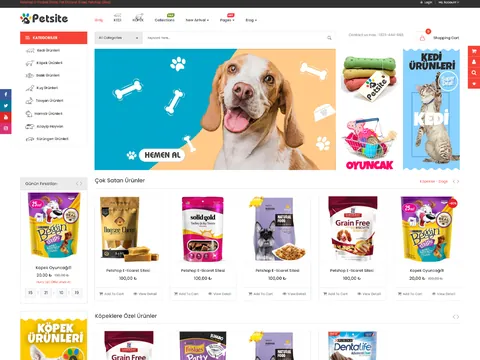
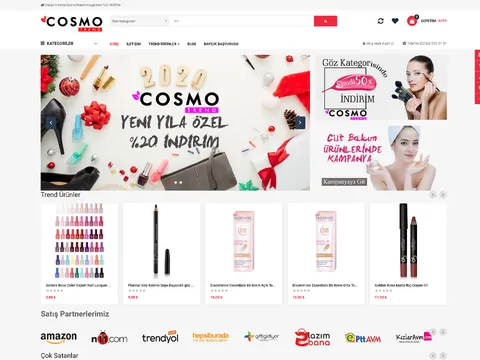
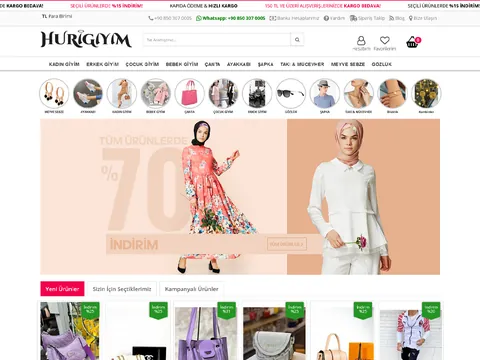
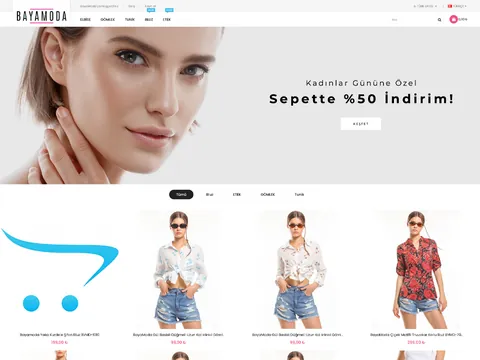
You need to set up a fast, mobile-friendly and SEO-friendly e-commerce site where customers can shop with confidence. This is where ready-made e-commerce packages come in. Choosing packages where everything is ready, from payment systems to shipping integrations, without requiring technical coding knowledge, gives you a major advantage in time and cost.
4. Start Digital Marketing and SEO Work
Setting up your site alone is not enough. To rank high in search engines, you should carry out SEO (Search Engine Optimization) work, and draw your target audience to your site through social media ads and Google Ads campaigns.
The Secret of Success in E-Commerce: The Right Infrastructure and Consultancy
On your e-commerce journey, instead of struggling with technical problems, you should focus on growing your business and increasing your sales. One of the biggest mistakes in the sector is to set out with inadequate infrastructure and be left halfway.
To make a professional start and minimize risks, you can get to know the user-friendly, fast and secure e-commerce packages we offer as eticaretteyim.com. We not only provide technical infrastructure; we also offer the professional e-commerce consultancy service you need to professionally manage your e-commerce processes, develop digital marketing strategies and increase your operational efficiency.
Conclusion
E-commerce has become not a luxury but a necessity for sustainability and growth in today's business world. The real answer to the question "what is e-commerce" is not just making digital sales; it is building a sustainable brand with the right analysis, a strong infrastructure and continuous development. You too can take the first step to write your own success story, claim your place in the digital world, and turn the opportunities of the e-commerce world into profit by contacting our expert team.
eticaretteyim Yönetici
We create easy-to-follow guides for store owners on e-commerce, hosting and business email.
Was this post helpful?
Comments
No comments yet. Be the first to comment.
Leave a comment
Comments are published after approval. Your email address is never shown on the site.
Related posts

Can AI Create Your Product Images?
In e-commerce, the most important factor in a customer’s buying decision is the product image. Is it logical to have AI create product visua...

AI-Powered E-commerce
AI-Powered E-Commerce: A New Era in Digital Trade. Among the most dynamic areas of digital transformation, e-commerce undoubtedly stands out...

Is It Good to Write Product Descriptions with Artificial Intelligence?
Competition in the e-commerce world is becoming harder by the day. One of the most powerful weapons to stand out among thousands of products...

Artificial Intelligence and E-Commerce
Artificial Intelligence and E-Commerce: How to Get Ahead in the Future of Trade? We are living through one of the most exciting periods of d...