
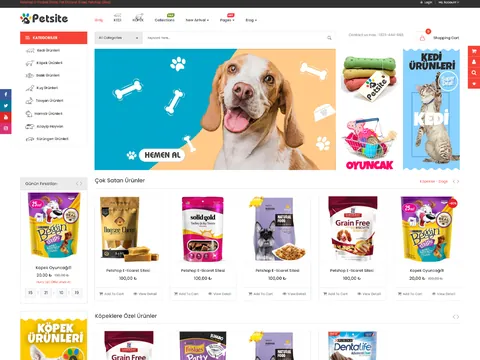
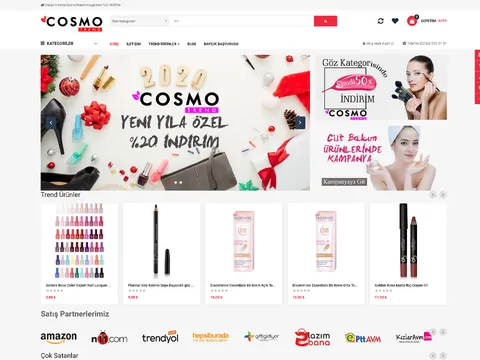
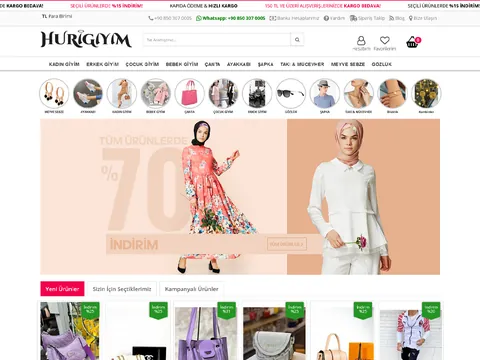




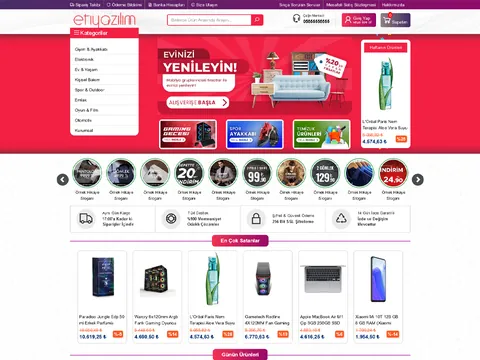



What to Consider When Choosing an E-Commerce Platform

Today, the heart of commerce beats in the digital world, that is, in e-commerce. The first and most important step to create your own brand, reach wider audiences and sell 24/7 is choosing the right e-commerce infrastructure. This infrastructure, which forms the foundation of your digital store, directly affects everything from your site's speed to its security, from payment methods to the user experience.
So how will you choose the right e-commerce infrastructure for your business from among hundreds of options? Making the wrong decision can lead to serious losses of both time and budget later on. In this guide, we will cover in detail the vital criteria you need to consider when choosing an e-commerce infrastructure and how these criteria affect your business.
What Is an E-Commerce Infrastructure and Why Is It Important?
An e-commerce infrastructure is the software system that runs the technical processes behind an online store, such as product display, cart management, payment processing, order tracking and customer database management. You can think of this system like the columns, roof and electrical installations of a physical store. The stronger the foundation, the safer the floors you build on top of it will be.
Key Criteria to Consider When Choosing an E-Commerce Infrastructure
1. SEO Compatibility (Search Engine Optimization)
You may be selling great products, but if your target customers cannot find you in Google search results, it is impossible to make sales. For this reason, the infrastructure you choose must be SEO-friendly. A good e-commerce infrastructure should offer the following SEO features as standard:
- Customizable URL structures (SEO-friendly links)
- Fast page loading times
- Automatic XML sitemap and robots.txt management
- Dedicated meta title and description fields for product and category pages
- Mobile compatibility (responsive design)
2. Mobile Compatibility and User Experience (UX)
More than 70% of e-commerce purchases are now made through mobile devices. For this reason, it is not enough for your infrastructure to be merely mobile-compatible; it must be designed with a “mobile-first” philosophy. A quickly loading mobile interface where adding products to the cart is easy and which is free of complicated forms will directly increase your conversion rates (sales).
3. Payment Methods and Variety of Integrations
One of the biggest reasons customers abandon their cart before completing a purchase is that they cannot find their preferred payment method. Your infrastructure needs to integrate easily with popular payment systems in Turkey (such as iyzico, PayTR, Troy, etc.) and with banks' virtual POS systems. In addition, if you are targeting sales abroad (e-export), it should also support global payment methods such as Stripe and PayPal.
4. Security and SSL Certificate
In e-commerce, trust is everything. Protecting your customers' credit card information and personal data is a legal obligation. You must make sure your infrastructure provider is compliant with PCI-DSS (Payment Card Industry Data Security Standard) and offers a free SSL certificate. Offering a regular backup service is also important, as it prevents possible data loss.
5. Speed and Performance
Research shows that websites that take longer than 3 seconds to open lose half of their visitors. A slow e-commerce site not only loses customers but also reduces your site's value in the eyes of Google. The quality of the hosting server where the infrastructure runs and the optimization of its coding structure for speed are of critical importance.
Comparison of Infrastructure Types
In the e-commerce world, there are basically three different types of infrastructure: ready-made SaaS (cloud-based) packages, open-source software, and custom development. To help you make the best choice based on your budget and technical knowledge, we have compared the features of these systems in the table below:
| Features | Ready-Made SaaS (e.g., Shopify, IdeaSoft) | Open Source (e.g., WooCommerce, Magento) | Custom Software (Custom Development) |
|---|---|---|---|
| Setup Time | Very fast (same day) | Medium (a few weeks) | Very slow (can take months) |
| Technical Knowledge Required | Not required | Medium / high level of technical knowledge | Very high (a software development team is needed) |
| Starting Cost | Low (monthly/annual subscription) | Low (hosting and plugin costs) | Very high |
| Customizability | Limited (within the package) | Very high (unlimited plugins) | Completely unlimited |
| Maintenance & Security | Managed by the provider | The user's responsibility | Managed by your own software team |
3 Critical Mistakes When Choosing an E-Commerce Infrastructure
Many new entrepreneurs make mistakes when choosing an e-commerce infrastructure by focusing only on popularity or the price tag. Here are the mistakes you should avoid:
- Focusing Only on Price: Choosing the cheapest infrastructure may lead you to pay extra high fees later for the integrations you will need (shipping, accounting, etc.). You should calculate the total cost of ownership (TCO).
- Choosing Unnecessarily Complex Systems: If you are a small business or a beginning entrepreneur, you should prefer easy-to-manage SaaS or solutions such as WooCommerce instead of systems like Magento, which require huge budgets and expert management.
- Ignoring Support Services: You must be able to reach someone when your site crashes on a Friday night or when there is an error in the payment system. Infrastructures that do not offer 24/7 technical support can cause serious revenue losses.
Conclusion: Which Infrastructure Is Right for You?
There is no single “best” option when choosing an e-commerce infrastructure; there is only the option that is “most suitable for your business.” If you do not want to deal with technical details, want to start selling quickly and only want to focus on marketing, then SaaS (ready-made e-commerce packages) is the right choice for you.
If you have technical knowledge or work with a web developer, and you want to customize every detail of your site and keep control in your hands, then open-source systems such as WooCommerce or PrestaShop are excellent alternatives.
Before making a decision, be sure to list your needs, set your budget, and test the demo versions of the infrastructures you are considering so you can see with your own eyes how easy their panels are to use. An e-commerce site built on the right foundation will be the greatest key to your long-term success.
eticaretteyim Yönetici
We create easy-to-follow guides for store owners on e-commerce, hosting and business email.
Was this post helpful?
Comments
No comments yet. Be the first to comment.
Leave a comment
Comments are published after approval. Your email address is never shown on the site.
Related posts

Improving E-Commerce Site Speed and Page Optimization
In today's digital world, competition between e-commerce sites is fiercer than ever. As consumers' patience decreases, how long a website ta...

Product Page Optimization: A Page Structure That Boosts Conversions
In e-commerce, attracting potential customers to your site matters as much as turning visitors into buyers. The product page is the most cri...

Design Tricks That Reduce Cart Abandonment in E-commerce
One of the biggest disappointments in e-commerce is when a potential customer adds products to their cart, makes it all the way to the payme...

The Importance of Mobile-Friendly (Responsive) E-Commerce Design
In today's world, where digital transformation is moving at a dizzying pace, online shopping habits are also undergoing a fundamental change...